
So, you've decided it's time to part ways with your old car. It's a common dilemma: is it better to sell it whole or break it down for parts? Often, selling it for parts is the smarter financial play, especially if you're staring down a repair bill that's more than the car is even worth.
When a vehicle has major mechanical issues, serious accident damage, or is simply too old to be reliable, parting it out with a service like Auto Removal Adelaide can turn a driveway ornament into cash.
When Does Selling a Car for Parts Make Sense?
Figuring out what to do with a damaged, non-running, or ancient car can be a real headache. You're probably weighing the cost of repairs against the car's market value and wondering if it's worth the hassle at all. The truth is, in some situations, the decision to sell a car for parts isn't just a good option—it's the best one.
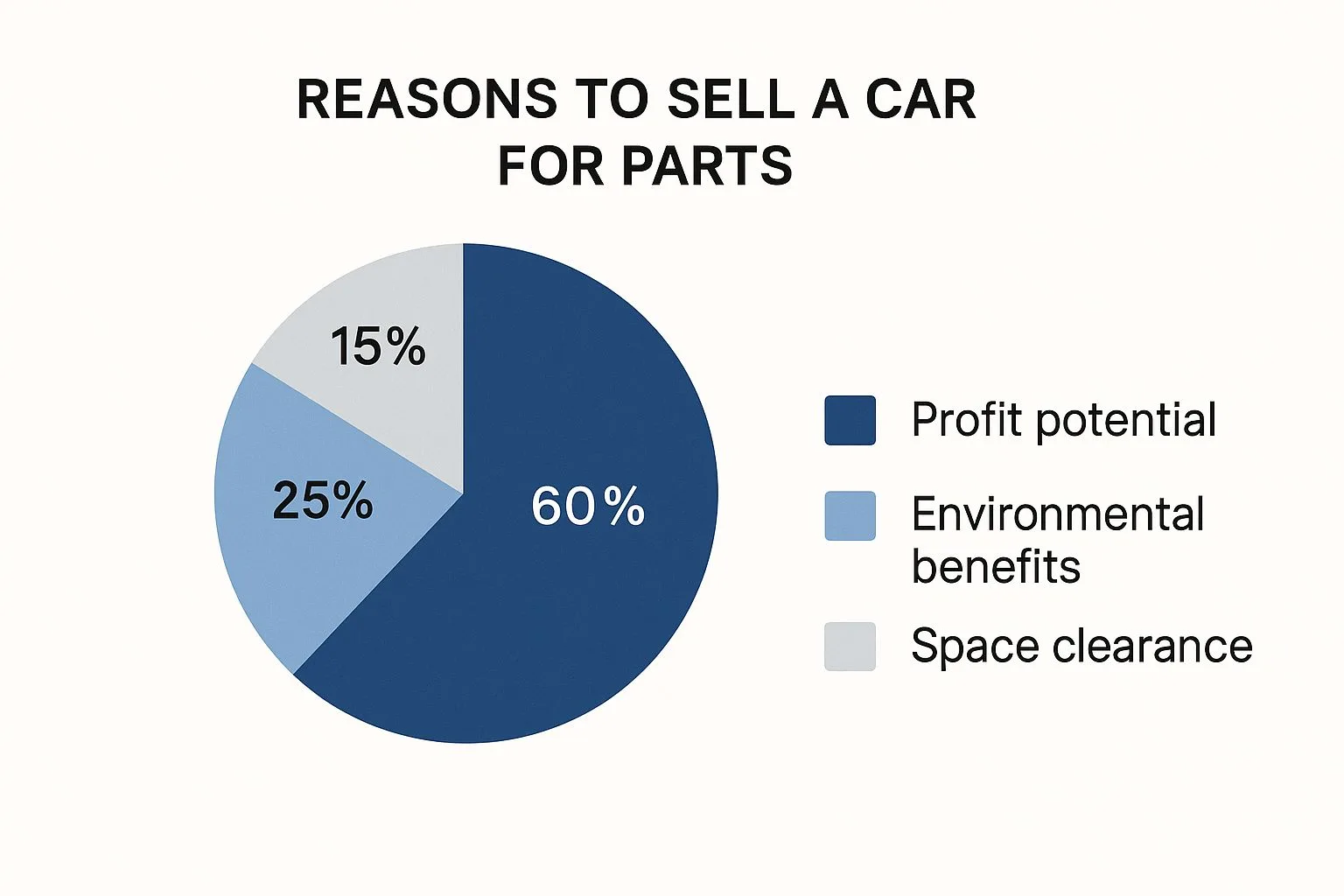
You're Facing Major Mechanical Failures
Did your mechanic just hit you with some bad news? A blown engine, a dead transmission, or a cracked cylinder head can cost a small fortune to fix. On an older car, that repair bill can easily be more than the vehicle is actually worth, even if it were running perfectly.
This is exactly when selling the car for parts makes the most sense. Sure, the busted engine is scrap metal, but the rest of the car—from the doors and seats to the alternator and wheels—still has real value. A car wrecker doesn't see a single broken-down vehicle; they see a collection of parts they can sell to others.
Expert Tip: Stop thinking of your car as one broken unit. Instead, see it as an inventory of perfectly good components that people are actively looking for. This mental shift helps you see its true value.
It's Suffered Significant Accident Damage
A serious prang can leave a car with a bent frame, deployed airbags, and crumpled panels. Your insurance company will likely declare it a "write-off" or "total loss" because fixing it safely would cost more than the car's insured value. Even if you could repair it, its history of major damage would tank its resale price.
This is a golden opportunity to sell the car for parts. The undamaged side of the vehicle, along with the engine, gearbox, and electrical systems, might be completely unscathed. These are the exact parts someone else needs for their own repairs. If you're on the fence, our guide on when to get rid of an old car can help you make a confident decision.
Selling Whole vs. Selling for Parts: A Quick Comparison
| Factor | Selling Car Whole | Selling for Parts |
|---|---|---|
| Best For | Drivable cars with minor issues or high demand. | Non-running, damaged, or end-of-life vehicles. |
| Time & Effort | Low. List it, show it, sell it. | High. Requires dismantling, listing, and shipping parts. |
| Potential Payout | Moderate. Capped by the car's market value. | Potentially higher overall, but not guaranteed. |
| Convenience | High. One transaction and it's gone. | Low. Multiple sales and shipments over time. |
Ultimately, selling the car whole to a service like Auto Removal Adelaide offers a fast, hassle-free solution. You get a single payment, and the car is gone.
How to Estimate Your Car's Part-Out Value
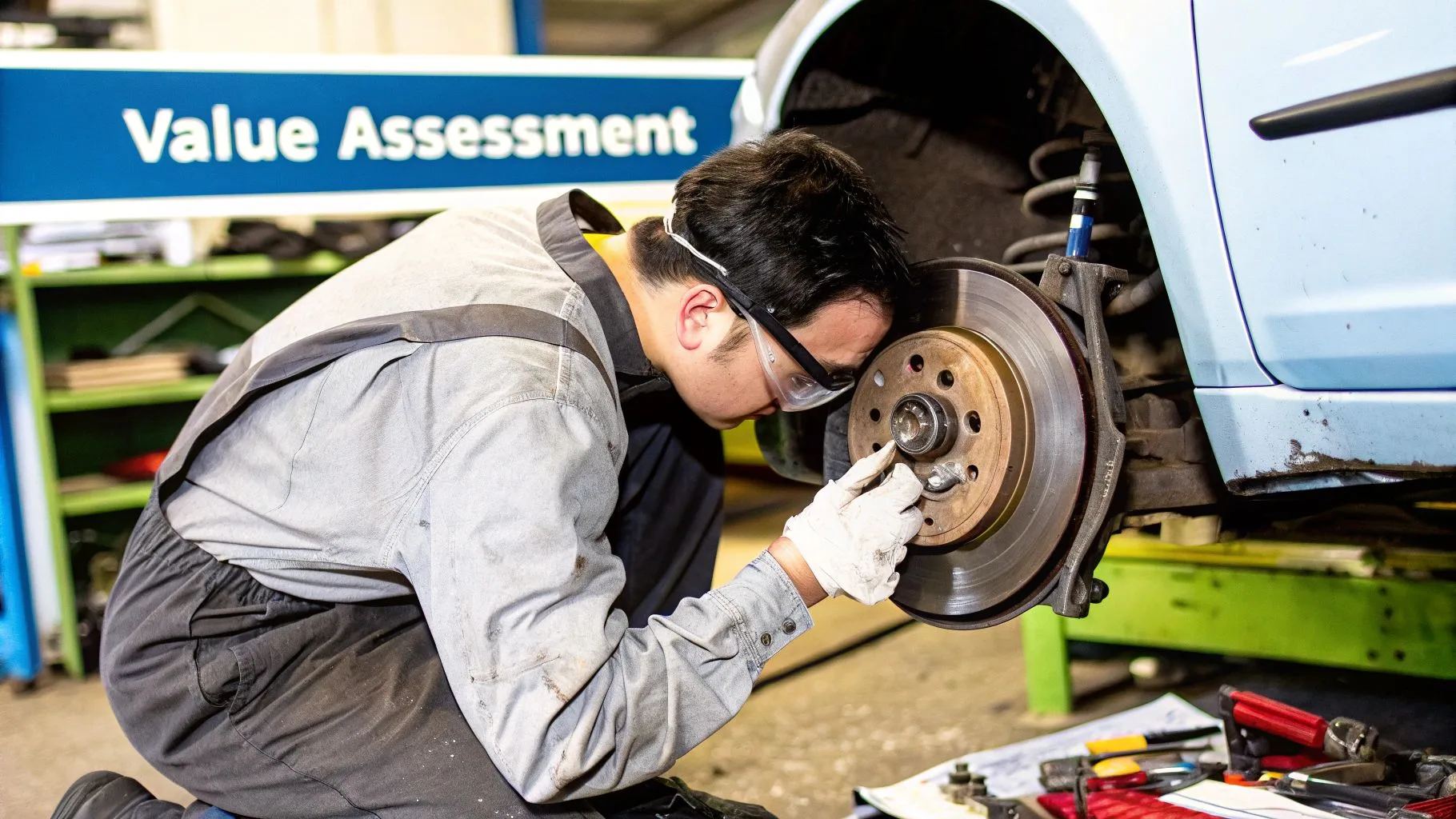
Trying to figure out what your old car is actually worth? Think of yourself as a detective. Your mission is to build a detailed inventory, separating the high-value components from the stuff that's just standard scrap. This little bit of prep work gives you a much clearer picture of what a professional buyer, like our team at Adelaide Fast Car Removal, is looking for.
The Big-Ticket Items
- Engine and Transmission: These are the heart and soul, and even in a non-runner, they can be gold. A low-kilometre automatic transmission from a popular model like a Toyota Hilux or Ford Ranger is always in high demand.
- Catalytic Converter: This is easily one of the most sought-after parts on any vehicle, thanks to the precious metals inside (platinum, palladium, and rhodium).
- Intact Airbag Modules: If your car avoided a major front-end smash, the airbag modules are valuable. They're critical safety components that cost a fortune to replace new.
Spotting the Hidden Gems
Beyond the big mechanical parts, plenty of smaller items can really add up. A complete, working infotainment system with its GPS unit can fetch a good price. The same goes for a set of undamaged alloy wheels, especially if they're a desirable factory style and still have decent tyres on them.
My Two Cents: Don't forget the simple stuff. Clean, straight body panels like doors and bonnets, along with undamaged headlights and taillights, are the bread-and-butter for auto wreckers. Every single usable part contributes to that final price you're offered.
Creating Your High-Value Car Part Checklist
| Component | Key Condition to Check | Potential Value |
|---|---|---|
| Engine | No catastrophic failure | High |
| Transmission | Was shifting smoothly before | High |
| Alloy Wheels | Free of major cracks or curb rash | Medium to High |
| Body Panels | No major dents, rust, or deep scratches | Medium |
| Interior | Clean seats, intact dashboard, working electronics | Low to Medium |
Getting Your Car Ready for a Smooth Pickup
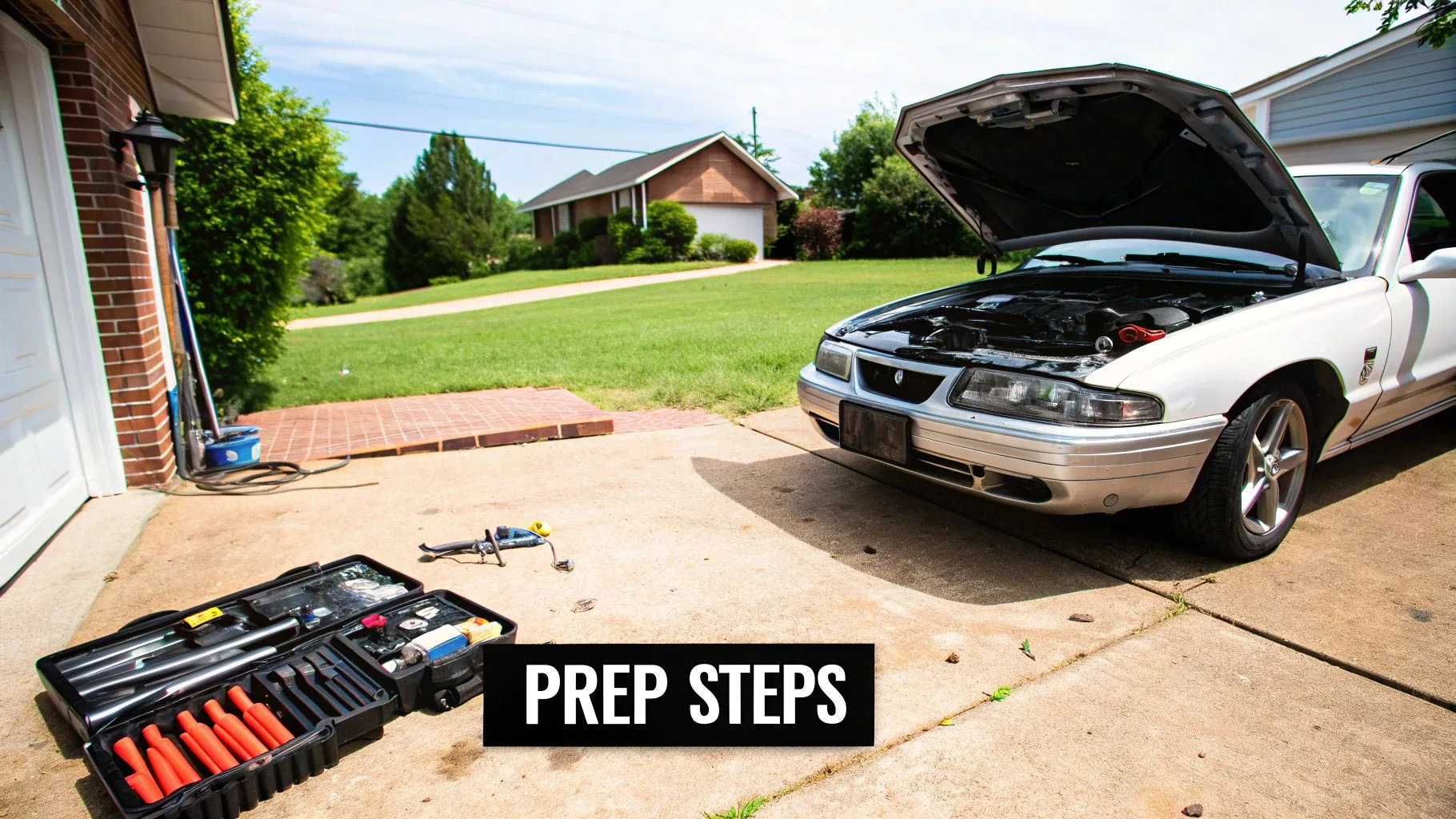
So, you've got a quote you're happy with and a pickup time locked in. Excellent. A little bit of prep work now will make a massive difference on the day.
Clear Out Your Personal Belongings
Before our driver gets there, give your car one last, thorough sweep. Your mission is to get every single personal item out.
- Check the Glove Box: Get rid of old rego papers, service receipts, and any other personal documents.
- Look Under and Between the Seats: This is the black hole for lost coins, old sunnies, and forgotten phone chargers.
- Inspect the Centre Console: Don't forget any CDs, USB sticks, or random bits and pieces.
- Empty the Boot: Pull everything out—tools, emergency kits, that old gym bag you forgot about.
Key Takeaway: We're buying your car, not what's inside it. Once that vehicle is towed away, getting forgotten items back is next to impossible.
Resist the Urge to Pull Parts Yourself
When you sell your car for parts to a professional service, the quote we give you is based on the entire vehicle. We've calculated its value based on all its components being there. If our driver arrives and finds parts are missing, they will have to adjust the price on the spot. To get the full cash amount you were quoted, just leave the car as is.
Managing the Paperwork and Legal Requirements
Your Essential Document Checklist
You'll almost always need these two things:
- Proof of Ownership: This is typically your car's registration certificate.
- Valid Photo Identification: A current driver's licence or proof of age card works perfectly.
Crucial Insight: The most important piece of paperwork is about releasing you from all future responsibility for the car. That's where the Notice of Disposal comes in.
The Non-Negotiable Step: Lodging Your Notice of Disposal
Once the deal is done and your car is on its way, you have one final, critical task: telling the government. You need to submit a Notice of Disposal (NOD) to Service SA, which officially informs them you no longer own the vehicle. Skipping this step is a huge risk — you could legally still be on the hook for any future parking fines, toll charges, or even criminal activity linked to that car.
Finalising Your Registration and Insurance
With the car officially sold and the NOD lodged, you can now cancel your registration. This is a great final step because you can often claim a refund for any unused portion of your rego fees. And don't forget your insurer — a quick call to cancel the policy stops you from paying for cover on a car you no longer own.
Finding the Right Buyer for the Best Payout
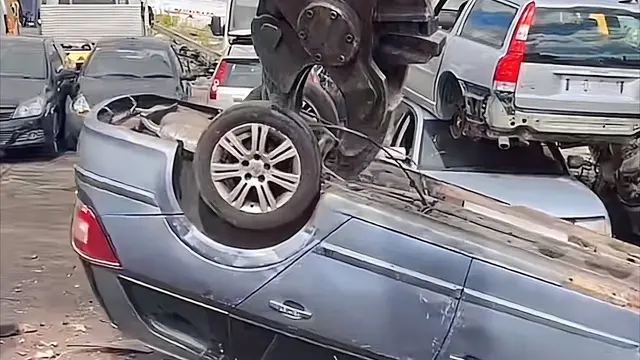
The buyer you choose has a massive impact on your final payout and how much hassle you have to go through. It really boils down to two main paths: you can either navigate the private market yourself or you can partner with a professional service for a much quicker sale.
The Professional Car Removal Advantage
Professional car wreckers and auto removal services offer a totally different, and frankly, much simpler experience. Instead of selling your car piece by piece, you get a single, all-inclusive offer for the entire vehicle.
- A Single Transaction: You get one quote for the whole car.
- Free Towing: Any reputable service will pick up the car from your property without charging you a cent.
- Immediate Payment: You get paid right then and there when they come to collect the car.
Our Pro Tip: Always ask if a quote is all-inclusive. Some less-than-honest operators might give you a tempting offer over the phone, but when they show up, they start docking money for "towing fees" or other hidden costs. A trustworthy buyer gives you a firm price with no nasty surprises.
Common Questions About Selling a Car for Parts
Do I Need a Roadworthy Certificate?
Nope, you absolutely don't. A roadworthy or safety certificate is only necessary when you're selling a car that someone plans to register and drive on public roads. Since your car is being sold to a wrecker to be dismantled for its components, its road legality doesn't matter one bit.
Can I Sell a Car If I Still Owe Money On It?
This one's a big deal, and you need to handle it properly. You can't legally sell a car if there's still finance owing on it. Until that loan is paid off, the finance company technically holds an interest in the vehicle. Before anything else, you'll need to get in touch with your lender and pay out the remaining balance.
What if I Can't Find My Ownership Papers?
Losing paperwork happens more often than you'd think, but it is something you'll need to sort out. Proof of ownership is non-negotiable for any legitimate car wrecker. If your registration papers have gone missing, you can request a replacement copy from Service SA. It's a pretty simple process, often done online.
Ready to turn your unwanted car into instant cash? The team at Adelaide Fast Car Removal makes it simple. We offer top-dollar quotes, free towing across Adelaide, and on-the-spot payment.
Sell Your Car Today!